Hydrangea - Landrace - Washed - Tagel Alemayehu
Ethiopia — Tagel Alemayehu, Washed Landrace
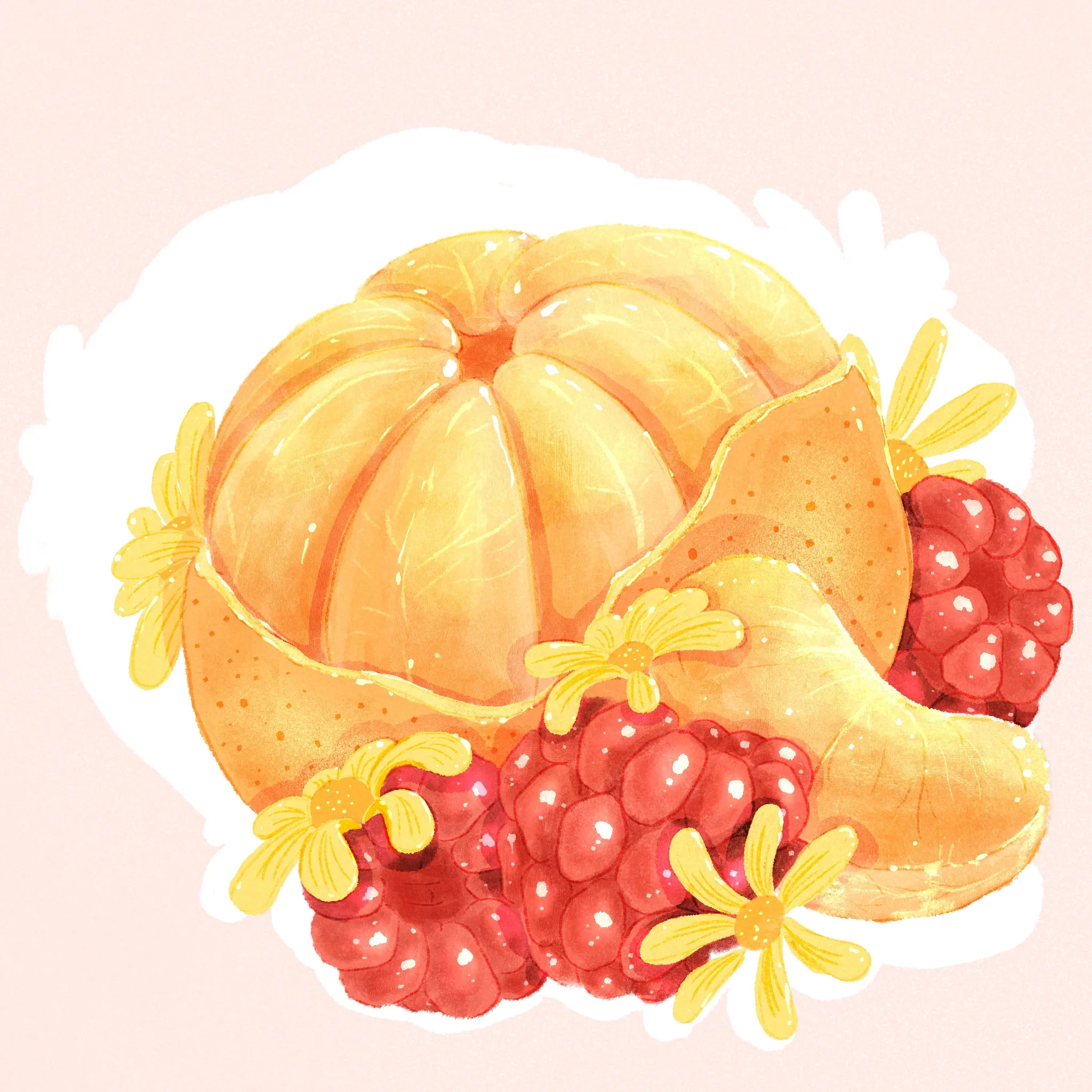
Tastes Like — 🍊 Tangerine • 🫐 Raspberries • 🌼 Yellow Florals
DETAILS
- Producer: Tagel Alemayehu, Olkai Coffee
- Region: Hambela, Guji, Ethiopia
- Varietal: Landrace (Kurume, Dega)
- Process: Washed
- Altitude: 2350 masl
- Outgrowers: 130 registered smallholders
- Size: 227g
INTRO
This landrace coffee from Tagel Alemayehu's Olkai Coffee operation showcases the bright, clean character of Guji's high-altitude terroir. The cup delivers tangerine brightness, raspberry sweetness, and yellow floral notes—a classic Ethiopian profile that demonstrates meticulous washed processing. Grown at 2,350 metres above sea level in Hambela and sourced through a network of 130 registered outgrowers, this lot represents the community-scale effort that defines specialty coffee in Ethiopia's most renowned regions.
THE PRODUCER
Behind this lot is Tagel Alemayehu, founder of Olkai Coffee—a producer known locally for moving fast and working efficiently, but also for the humility and warmth that makes people stop to greet him on the road. Coffee has been woven into Tagel's life from the beginning: he grew up in Bule Hora as the son of a local coffee trader who helped shape the region's early infrastructure, including building the area's first washing station and bringing in Ethiopia's first Pinhalense dry huller. After managing a washing station starting in 2004, Tagel launched Olkai in 2018 as export regulations opened—still very much a family effort, with his wife serving as export manager. Today, Olkai operates around half a dozen washing stations across Guji, Bule Hora, and Sidama, built on relationships formed through two decades of cherry collection—trust so strong that communities have even sold land to make space for washing-station operations in their own towns.
THE PROCESS
This lot undergoes classic Ethiopian washed processing:
- 🍒 Cherry Collection — 130 registered smallholder farmers
- 💧 Floated — Density sorting removes defects
- 🔪 De-Pulped — Skin removed
- 🔬 Fermentation — Underwater fermentation removes mucilage
- 🚿 Washed — Multiple rinses in clean water
- ☀️ Raised Bed Drying — Until optimal moisture content
Washed processing highlights the clean, bright characteristics that Guji coffees are renowned for, emphasising citrus and floral notes whilst maintaining sweetness.
THE CUP
Bright and clean with tangerine acidity, raspberry sweetness, and delicate yellow florals. A classic expression of high-altitude Guji terroir.
Flavour Notes
- 🍊 Tangerine
- 🫐 Raspberries
- 🌼 Yellow Florals
What is the roast recency?
We recommend brewing with beans that are at least two weeks off roast. All beans are roasted to peak flavour at around 6-12 weeks. We have the option to either purchase standard beans (at least 2 weeks but no longer than 6 weeks off roast), or rested beans (at least 7 weeks off roast, no longer than 12 - should we have any left in stock!). For peak flavour, if you are looking to use immediately, we recommend purchasing the rested beans. If you are adding to your rotation of beans, we recommend purchasing the standard and allowing the beans to naturally rest and mature whilst you rotate through other beans.
What does 'Filter' or 'Espresso' Roast mean?
Typically filter is roasted lighter than espresso, though this is not always the case. Several factors play into what brands a Manhattan coffee as 'filter' or 'espresso', which includes the roast profile - i.e. how the beans are roasted, not just how developed a roast it is. It doesn't preclude you from using the beans for espresso though!
Ethiopia — Tagel Alemayehu, Washed Landrace
Tastes Like — 🍊 Tangerine • 🫐 Raspberries • 🌼 Yellow Florals
DETAILS
- Producer: Tagel Alemayehu, Olkai Coffee
- Region: Hambela, Guji, Ethiopia
- Varietal: Landrace (Kurume, Dega)
- Process: Washed
- Altitude: 2350 masl
- Outgrowers: 130 registered smallholders
- Size: 227g
INTRO
This landrace coffee from Tagel Alemayehu's Olkai Coffee operation showcases the bright, clean character of Guji's high-altitude terroir. The cup delivers tangerine brightness, raspberry sweetness, and yellow floral notes—a classic Ethiopian profile that demonstrates meticulous washed processing. Grown at 2,350 metres above sea level in Hambela and sourced through a network of 130 registered outgrowers, this lot represents the community-scale effort that defines specialty coffee in Ethiopia's most renowned regions.
THE PRODUCER
Behind this lot is Tagel Alemayehu, founder of Olkai Coffee—a producer known locally for moving fast and working efficiently, but also for the humility and warmth that makes people stop to greet him on the road. Coffee has been woven into Tagel's life from the beginning: he grew up in Bule Hora as the son of a local coffee trader who helped shape the region's early infrastructure, including building the area's first washing station and bringing in Ethiopia's first Pinhalense dry huller. After managing a washing station starting in 2004, Tagel launched Olkai in 2018 as export regulations opened—still very much a family effort, with his wife serving as export manager. Today, Olkai operates around half a dozen washing stations across Guji, Bule Hora, and Sidama, built on relationships formed through two decades of cherry collection—trust so strong that communities have even sold land to make space for washing-station operations in their own towns.
THE PROCESS
This lot undergoes classic Ethiopian washed processing:
- 🍒 Cherry Collection — 130 registered smallholder farmers
- 💧 Floated — Density sorting removes defects
- 🔪 De-Pulped — Skin removed
- 🔬 Fermentation — Underwater fermentation removes mucilage
- 🚿 Washed — Multiple rinses in clean water
- ☀️ Raised Bed Drying — Until optimal moisture content
Washed processing highlights the clean, bright characteristics that Guji coffees are renowned for, emphasising citrus and floral notes whilst maintaining sweetness.
THE CUP
Bright and clean with tangerine acidity, raspberry sweetness, and delicate yellow florals. A classic expression of high-altitude Guji terroir.
Flavour Notes
- 🍊 Tangerine
- 🫐 Raspberries
- 🌼 Yellow Florals
What is the roast recency?
We recommend brewing with beans that are at least two weeks off roast. All beans are roasted to peak flavour at around 6-12 weeks. We have the option to either purchase standard beans (at least 2 weeks but no longer than 6 weeks off roast), or rested beans (at least 7 weeks off roast, no longer than 12 - should we have any left in stock!). For peak flavour, if you are looking to use immediately, we recommend purchasing the rested beans. If you are adding to your rotation of beans, we recommend purchasing the standard and allowing the beans to naturally rest and mature whilst you rotate through other beans.
What does 'Filter' or 'Espresso' Roast mean?
Typically filter is roasted lighter than espresso, though this is not always the case. Several factors play into what brands a Manhattan coffee as 'filter' or 'espresso', which includes the roast profile - i.e. how the beans are roasted, not just how developed a roast it is. It doesn't preclude you from using the beans for espresso though!
Original: $35.36
-65%$35.36
$12.38Description
Ethiopia — Tagel Alemayehu, Washed Landrace
Tastes Like — 🍊 Tangerine • 🫐 Raspberries • 🌼 Yellow Florals
DETAILS
- Producer: Tagel Alemayehu, Olkai Coffee
- Region: Hambela, Guji, Ethiopia
- Varietal: Landrace (Kurume, Dega)
- Process: Washed
- Altitude: 2350 masl
- Outgrowers: 130 registered smallholders
- Size: 227g
INTRO
This landrace coffee from Tagel Alemayehu's Olkai Coffee operation showcases the bright, clean character of Guji's high-altitude terroir. The cup delivers tangerine brightness, raspberry sweetness, and yellow floral notes—a classic Ethiopian profile that demonstrates meticulous washed processing. Grown at 2,350 metres above sea level in Hambela and sourced through a network of 130 registered outgrowers, this lot represents the community-scale effort that defines specialty coffee in Ethiopia's most renowned regions.
THE PRODUCER
Behind this lot is Tagel Alemayehu, founder of Olkai Coffee—a producer known locally for moving fast and working efficiently, but also for the humility and warmth that makes people stop to greet him on the road. Coffee has been woven into Tagel's life from the beginning: he grew up in Bule Hora as the son of a local coffee trader who helped shape the region's early infrastructure, including building the area's first washing station and bringing in Ethiopia's first Pinhalense dry huller. After managing a washing station starting in 2004, Tagel launched Olkai in 2018 as export regulations opened—still very much a family effort, with his wife serving as export manager. Today, Olkai operates around half a dozen washing stations across Guji, Bule Hora, and Sidama, built on relationships formed through two decades of cherry collection—trust so strong that communities have even sold land to make space for washing-station operations in their own towns.
THE PROCESS
This lot undergoes classic Ethiopian washed processing:
- 🍒 Cherry Collection — 130 registered smallholder farmers
- 💧 Floated — Density sorting removes defects
- 🔪 De-Pulped — Skin removed
- 🔬 Fermentation — Underwater fermentation removes mucilage
- 🚿 Washed — Multiple rinses in clean water
- ☀️ Raised Bed Drying — Until optimal moisture content
Washed processing highlights the clean, bright characteristics that Guji coffees are renowned for, emphasising citrus and floral notes whilst maintaining sweetness.
THE CUP
Bright and clean with tangerine acidity, raspberry sweetness, and delicate yellow florals. A classic expression of high-altitude Guji terroir.
Flavour Notes
- 🍊 Tangerine
- 🫐 Raspberries
- 🌼 Yellow Florals
What is the roast recency?
We recommend brewing with beans that are at least two weeks off roast. All beans are roasted to peak flavour at around 6-12 weeks. We have the option to either purchase standard beans (at least 2 weeks but no longer than 6 weeks off roast), or rested beans (at least 7 weeks off roast, no longer than 12 - should we have any left in stock!). For peak flavour, if you are looking to use immediately, we recommend purchasing the rested beans. If you are adding to your rotation of beans, we recommend purchasing the standard and allowing the beans to naturally rest and mature whilst you rotate through other beans.
What does 'Filter' or 'Espresso' Roast mean?
Typically filter is roasted lighter than espresso, though this is not always the case. Several factors play into what brands a Manhattan coffee as 'filter' or 'espresso', which includes the roast profile - i.e. how the beans are roasted, not just how developed a roast it is. It doesn't preclude you from using the beans for espresso though!